



















Achieving a high-quality surface finish starts with proper surface preparation. Without the right cleaning and pretreatment steps, contaminants such as grease, oil, paint, or rust can hinder adhesion and compromise the uniformity of plating. To avoid these issues and ensure optimal results, follow these three key steps when selecting a surface preparation process for your next project.
Step 1: Choose the Correct Surface Preparation Method and Products
Choosing the correct surface preparation method is crucial to achieving a properly cleaned substrate. Different metals require specific cleaning methods to remove surface contaminants effectively while preserving the integrity of the material. For example:
- Multi-metal cleaners work across a variety of substrates, making them a versatile option for mixed-metal applications.
- High-alkaline cleaners are ideal for steel and cast iron, breaking down heavy oils, grease, and surface contaminants effectively in industrial surface pretreatment processes.
- Mild acid-based cleaners are often used for aluminum and other sensitive metals to prevent etching and surface damage.
Partnering with a knowledgeable supplier can help you select the best surface preparation solution for your specific application, ensuring both effective cleaning and substrate protection.
2: Verify Surface Cleanliness Before Plating
Once a surface has been cleaned, confirming that it is adequately prepared for plating is essential. Cleanliness standards vary depending on the substrate material, and different testing methods can be used to verify that the cleaning process was successful. Some common methods include:
- Wiping Test – A simple but effective way to check for residual dirt or grease. Wipe the surface with a clean white cloth; if no residue transfers, the surface is likely clean. However, for complex geometries, additional testing may be needed to confirm cleanliness in recessed areas.
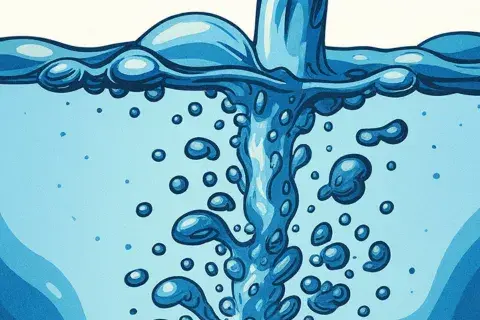
- Water Break Test – After cleaning, immersing the part in an acidic rinse can help determine cleanliness. If the water sheets off evenly without forming beads or breaks, the surface is free of oils and ready for plating.
- Adhesion Testing – This method assesses the bonding strength of a plated coating to the substrate. A properly cleaned surface ensures a strong bond and prevents issues such as delamination or peeling during the plating process.
Selecting the right test method based on your material and cleaning process is key to ensuring the best possible plating results.
3: Integrate Automation into Your Surface Preparation Process
One of the most significant advancements in surface preparation is the use of automation. Automated systems, such as pretreatment auto-dosing, enhance process consistency and efficiency by precisely controlling factors such as:
- Chemical concentration – Maintaining optimal levels of cleaning agents ensures effective contaminant removal without excessive chemical use.
- Temperature control – Consistent temperature regulation improves the efficiency of cleaning reactions, leading to better results.
- Dwell time – Automating exposure times ensures uniform cleaning across all parts, reducing the risk of under- or over-processing.
Surface Preparation Standards You Need to Know
When it comes to achieving high-quality surface finishes, adhering to industry standards is crucial. Various organizations set guidelines to ensure consistency, reliability, and performance in surface preparation and finishing processes. Here are some key standards you should be aware of:
- ASTM B322 – Provides guidelines for cleaning metal surfaces before electroplating to ensure proper adhesion and performance.
- ISO 8501 – Defines surface cleanliness standards for preparing metal surfaces before coating or plating, including visual assessment methods.
- SAE AMS 2700 – Specifies requirements for passivation of stainless steel to enhance corrosion resistance.
- SSPC/NACE Standards – Cover methods for cleaning and preparing metal surfaces, including abrasive blasting and chemical treatments.
Compliance with these standards helps manufacturers achieve consistent and high-quality plating results while ensuring durability and performance.
Conclusion
Proper surface preparation is essential for achieving high-quality plating results. By selecting the right cleaning product, verifying cleanliness before plating, and leveraging automation, you can enhance efficiency, reduce waste, and ensure optimal adhesion. Implementing these best practices will help you maintain high standards in your surface finishing processes and improve overall product performance.