

















Surface finishing is a critical step in manufacturing, impacting everything from performance and durability to aesthetics and compliance. Whether you're manufacturing components for vehicles, electronics, or household appliances, how a part is finished can determine the longevity, appearance, and functionality.
Whether you’re new to the industry or a seasoned professional, questions about surface finishing are common—and for good reason. The technologies are evolving, regulations are tightening, and performance expectations are increasing. Let’s break down some of the most common surface finishing questions to help you stay ahead of the curve in a rapidly changing landscape.
What is surface finishing?
Surface finishing is the process of altering the surface of a material to improve its appearance, durability, performance, or functionality. Typically, the alteration is the addition of one or more thin layers of a dissimilar material (the ‘finish’) to the surface of a part. These finishes can be purely decorative, highly functional, or a mix of both. Surface finishing technologies are commonly used to enhance corrosion resistance, increase wear resistance, improve conductivity, or prepare the material for further processing.
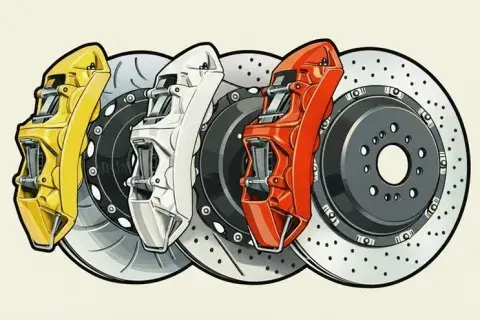
Industries that rely heavily on surface finishing include automotive, aerospace, electronics, industrial manufacturing, household appliances, and sanitary. In sectors like electric vehicles (EVs), surface finishing is especially critical as components must withstand harsh conditions while maintaining peak performance.
What are the main types of surface finishing?
While there are many types of surface finishing processes, the most common include:
- Electroplating: A chemical process that deposits metal onto a surface with the use of an electric current. It provides uniform coatings, even on complex shapes, and is widely used in the electronics and aerospace industries.
- Electroless Plating: This process deposits metal onto a substrate using a chemical reaction. Electroless plating delivers uniform coatings on complex geometries and is commonly used in the electronics and aerospace industries.
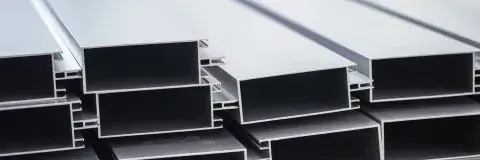
- Anodizing: An electrochemical process that is typically used on aluminum to create a protective oxide layer. Anodizing offers excellent corrosion resistance and color options and is widely used in aerospace, electronics, and architectural applications.
- Phosphating: A conversion coating process that prepares surfaces for painting or powder coating, while providing basic corrosion resistance. Phosphating is commonly used in automotive and heavy machinery applications.
Each of these finishes offers unique advantages, and the right choice depends on your substrate, application, environment, and performance goals.
How do I know what surface finish is right for my application?
Selecting the right surface finishing process depends on a range of key factors:
- Material Compatibility: Some finishes are better suited to certain base materials than others. Matching the finish to the substrate is essential for reliable performance.
- Environmental Conditions: Exposure to moisture, chemicals, extreme temperatures, or abrasion can influence which finish will perform best.
- Performance Requirements: Depending on your goals, you may need corrosion resistance, electrical conductivity, thermal insulation, or friction reduction.
- Aesthetic Needs: Some applications require a high-end decorative finish, while others prioritize function over appearance.
- Industry Standards: Certain sectors, including automotive, aerospace, and electronics, have strict regulations that may dictate finish selection.
Choosing the right surface finish is as much about understanding the application as it is about understanding the finish. Selecting the right partner is critical. MacDermid Enthone works closely with manufacturers to evaluate your unique application and deliver solutions that align with both your technical requirements and long-term performance goals.
How do surface finishes impact performance?
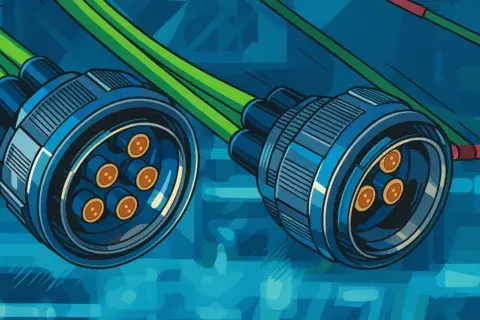
Surface finishing plays a vital role in performance. In electric vehicles, for instance, it shields battery housings against corrosion, boosts thermal conductivity in power electronics, and improves electrical performance in charging contacts.
More broadly, surface finishes can:
- Prevent corrosion in harsh environments
- Improve wear resistance for moving parts
- Enhance electrical and thermal conductivity
- Improve mechanical strength
- Prepare parts for subsequent coatings
High-performance industries like automotive, aerospace, electronics, and industrial machinery depend on surface finishing to meet strict reliability and safety standards, often under the harshest conditions.
What are the latest trends or innovations in surface finishing?
As industries evolve, so does surface finishing. Several key trends are driving innovation in surface finishing:
- Sustainability: Regulations and market demands are pushing for lower environmental impact. MacDermid Enthone continues to lead with environmentally responsible chemistries and processes that reduce energy use and waste, while improving safety. This includes our PFAS-free, hexavalent chromium-free solutions for decorative applications.
- Electrification: The shift to electric vehicles brings new opportunities through the use of lightweight materials and the need for enhanced thermal management and electrical conductivity. We offer advanced finishing solutions specifically designed to enhance the performance and aesthetic of electric vehicles.
- Advanced automation: Modern surface finishing increasingly relies on precision automation and data-driven process control to ensure consistency, traceability, and performance.
- Next-gen materials: As manufacturers adopt more advanced alloys and composite materials, including secondary, recycled aluminum, surface finishing processes are evolving to keep pace.
Why should I partner with MacDermid Enthone for my surface finishing needs?
MacDermid Enthone isn’t just a chemical supplier—we’re a dedicated partner. With experts available locally and around the world, we support nearly every manufacturing sector, from automotive and EVs to aerospace and construction. We collaborate closely with customers to deliver customized, high-performance surface finishing solutions backed by:
- Industry-leading technical expertise
- Proven innovation
- Unmatched service and support
- A robust, global supply chain
Ready to get started? Talk to an expert at MacDermid Enthone today.