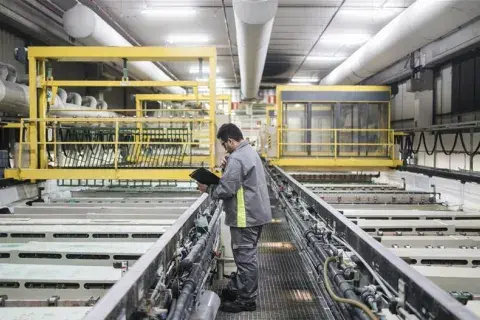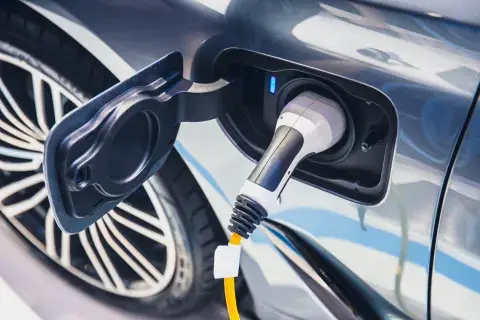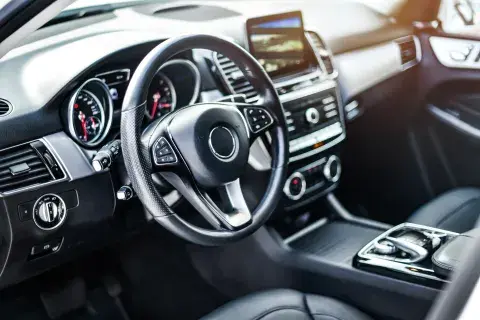
















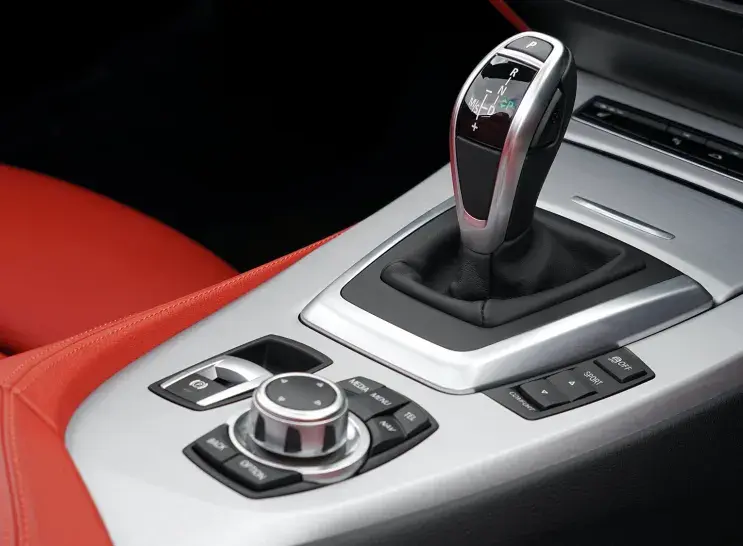
Plating on plastics (POP) has long been valued in the automotive industry for its ability to transform lightweight polymer parts into durable metallic finishes. Historically, these coatings were most visible on grilles, bezels, badges, and emblems, adding a sense of premium craftsmanship to vehicle components. Today, plating on plastics has evolved beyond decoration, enabling designers to create components that are lighter, stronger, and more sustainable without compromising performance or style.
Optimizing performance through lightweighting
Lightweighting remains a central focus for automakers. Reducing vehicle weight improves fuel efficiency, extends electric range, and lowers emissions. While metal was once the standard for both decorative parts, including trim, badges, and emblems, and functional components like sensor housings, connectors, and shielding panels, modern plating on plastics now provides functional benefits. It supports radio and magnetic shielding, grounding for electrical components, embedded antennas, sensor functionality, and highly durable protective coatings that extend part life in demanding environments.
Plastic components can be produced using high-efficiency molding, 3D printing, and other advanced manufacturing methods. These approaches allow OEMs and suppliers to create complex shapes and integrate a variety of functions with minimal tooling and material waste. By combining multiple functional benefits in a single plated plastic part, manufacturers can optimize performance, design flexibility, and weight reduction while supporting advanced vehicle electronics.
POP's role in next-gen automotive materials
Modern plating on plastics is also safer and more sustainable, a vital development for the automotive sector. Chrome-free etch delivers reliable adhesion and performance on acrylonitrile-butadiene-styrene (ABS) and ABS/polycarbonate (PC) substrates while expanding compatibility to additional plastics such as polyamide, polycarbonate, polyphenylene sulfide, and polyetherimide. This process eliminates the environmental and safety concerns associated with hexavalent chromium and PFAS while allowing subsequent metallization steps to remain unchanged, enabling seamless adoption with minimal process modification.
For automotive OEMs, chrome-free etch technology offers a direct path to meeting increasingly stringent regulatory requirements and ambitious sustainability goals, while enhancing both visual and tactile appeal. For applicators, it delivers broad compatibility with advanced polymers, enabling lighter and more complex component designs without altering downstream processes. The result is reduced production costs, minimized downtime, and greater efficiency in large-scale manufacturing environments.
Beyond chrome: Achieving durable satin and metallic finishes
Designers are expanding the scope of decorative finishes on plated plastic components for both interior and exterior applications. Satin nickel delivers durable metallic finishes, while trivalent chromium now includes next-generation white-blue finishes, with colors spanning the spectrum to the darkest trivalent chrome. The white-blue finish allows precise color matching to traditional blue-toned metallic surfaces, while the darkest trivalent chrome offers a deep, visually striking metallic appearance. These options enable designers to achieve visually engaging finishes with consistency and repeatability across decorative trim, handles, knobs, and other components.
A decorative to strategic transformation
Plating on plastics has fundamentally evolved from a purely decorative process into a strategic technology essential for the future of automotive design. It is the key to creating components that are lighter, stronger, and more sustainably manufactured. By eliminating the risks of hexavalent chromium and PFAS, expanding compatibility to advanced high-performance polymers, and delivering exceptional aesthetic versatility with finishes like satin nickel and the next generation of trivalent chrome, POP directly addresses the industry's most critical challenges. POP goes beyond enhancing appearance and is now shaping the next generation of complex, lightweight, connected, and environmentally responsible vehicles, ensuring operational efficiency and long-term regulatory compliance.
Read the full article, available now at plasticstoday.com.